
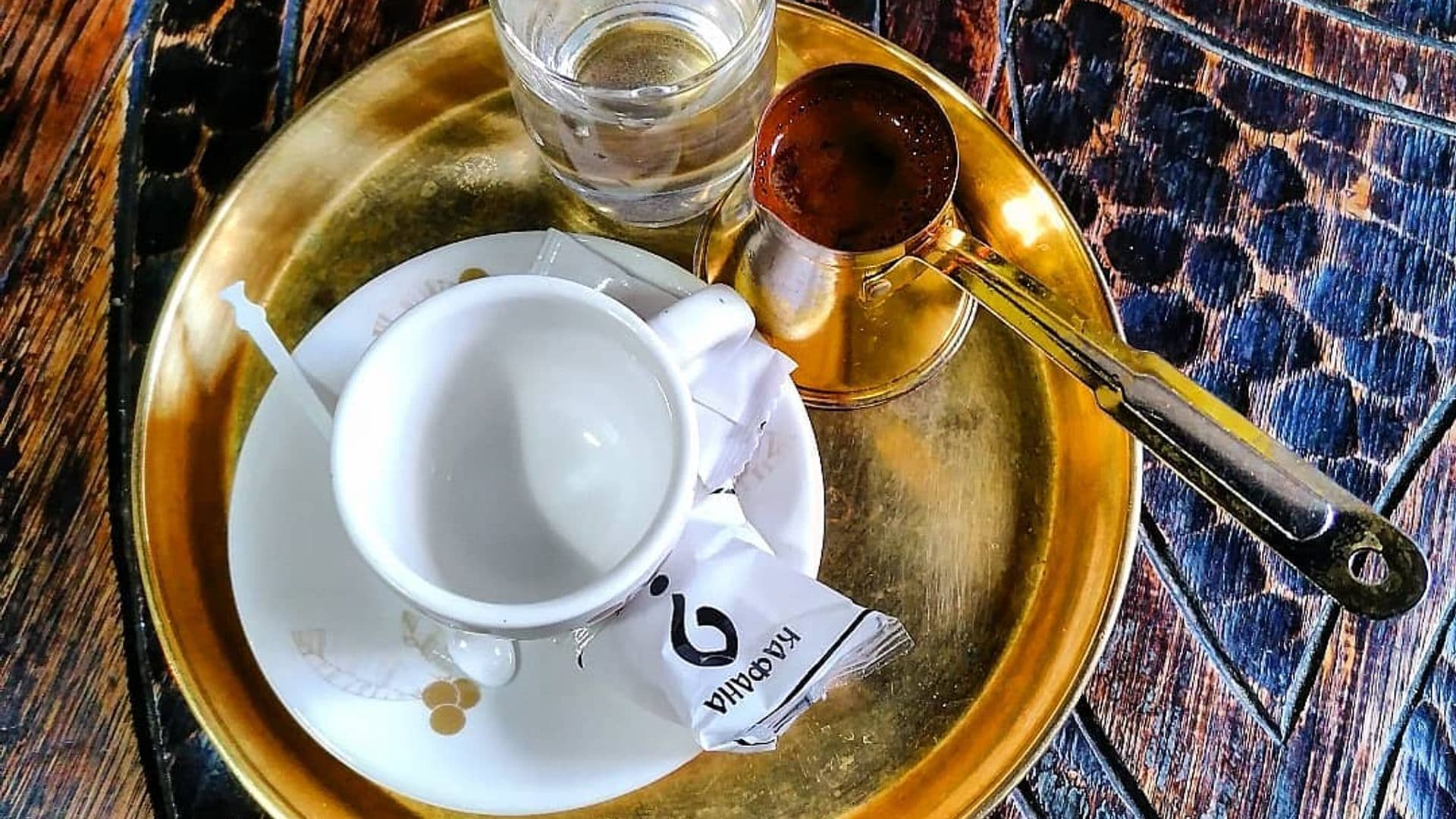
History of Serbia's kafanas
In 2022. Belgrade was celebrating 500 years since the opening of the first kafana (traditional Serbian tavern) in Belgrade. According to historical records, it was opened in 1522 in Dorćol, just one year after Suleiman the Magnificent conquered Belgrade. Although there is no reliable information about its exact location or name, it is known that only coffee was served there, which is how the word kafana was coined — from coffee + ana.
Interestingly, Istanbul, the capital of the Ottoman Empire, did not get its first coffeehouse until 1555, giving Belgrade a special place in the history of this institution. Thanks to its geographic position, Belgrade became the gateway through which coffee first entered Europe. Made in traditional pots, "cezve" (Turkish coffee pots) and served in small cups with water and Turkish delight, it is a common everyday thing till this day in Belgrade.
After the Battle of Mohács in 1526, the defeated Hungarians were, according to tradition, served coffee, which they called “black soup.” From this event comes the Hungarian expression hátra van még a feketeleves — “the black soup is yet to come,” meaning the worst is still ahead.
Over time, coffee became a profitable and widely enjoyed commodity across Europe. In cities such as Vienna and Paris, famous cafés emerged as gathering places for intellectuals and artists, and their reputation endures to this day.
The Serbian kafana gradually evolved — from a place serving only coffee into both a bar and a restaurant, but also an important social institution. During the 19th and 20th centuries, significant political and cultural events took place there. The Saint Andrew's Assembly was held in the Great Brewery in Belgrade from 1858 to 1859. Political parties and sports associations were founded in kafanas.
In 1881, the first electric light bulb in Belgrade was lit in the kafana “Hamburg,” and the Lumière brothers organized the first film screening in Belgrade at the kafana “Zlatni Krst” (Golden Cross) in Terazije. Kafanas were places where literary works were written, friendships were formed, political debates were held, and a nation’s culture was shaped.
Even after the World Wars, kafanas remained gathering places for artists, politicians, journalists, craftsmen, bohemians, and many others. Although many old and famous Belgrade kafanas have closed since the early 2000s, their spirit has not disappeared. The pandemic reminded us how irreplaceable face-to-face conversation and personal contact truly are.
Modern coffee places, which have huge variety of specialty coffee sorts, are also very popular in the Belgrade. Espresso started in the 1960's to be served initially in the hotels, and bars for foreign guests of the city. It took 20 years till the espresso culture was adopted among the locals, with (in)famous coffee place "Zlatni papagaj" ("Golden parrot"). It was mockingly represented in the famous song of a punk band "Električni orgazam" ("Electric orgasm") as a posh place for rich kids to hangout. Today, espresso is fully adopted and there are numerous good places for it ("Kafeterija", "Caffe&Factory", "Greenet" and "Coffee dream" are some of them), but Turkish coffee is still present also.
Of course kafana is not only a coffee place, but also through the course of time, it evolved into a bar and restaurant. In every kafana you can go out just for a drink, with wide choice, from local made spirits ("rakija", fruit made), to excellent Serbian wines. For a traditional Serbian cuisine, look no further. Everything from the grill classics (ćevapi, pljeskavica, sausages, etc.), to the cooked meals (bean soup, prebranac, sarma, podvarak, stuffed peppers, goulash, etc.), this is a spot where to find it.
The kafana has survived centuries, wars, and regime changes. It is hard to believe that an institution that has lasted for five centuries will not endure in the future as well.
To that — cheers! 🥂